
Blog
Liquor Prices in Nepal 2026: Tax & Trends

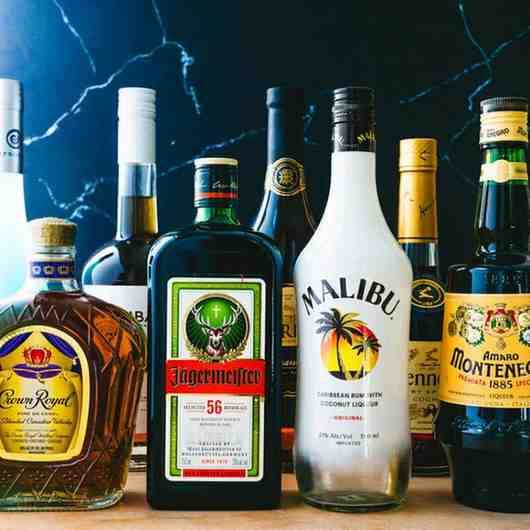
Liquor prices in Nepal in 2026 are higher than before mainly due to government taxes, import duties, and rising demand. In cities like Kathmandu, Lalitpur, and Pokhara, imported whisky and premium alcohol have seen noticeable price increases, especially around festive seasons like Dashain and Tihar. However, local liquors and budget options still remain more affordable for everyday drinking.
🥃 Average Liquor Prices in Nepal (2026)
Here’s a simple idea of what you can expect to pay this year:
| Category | Price Range (NPR) | Examples |
|---|---|---|
| Budget Whisky | 1,500 – 4,000 | Local brands, entry-level imports |
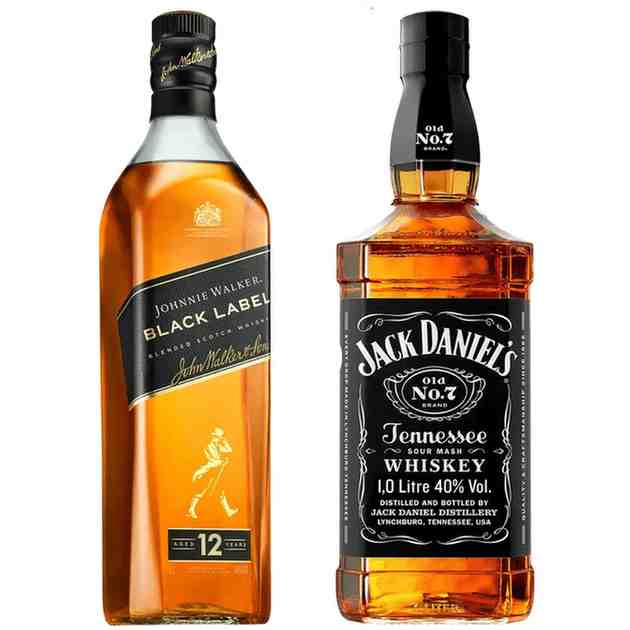
| Mid-Range Whisky | 5,000 – 15,000 | Ballantine’s, Jameson |
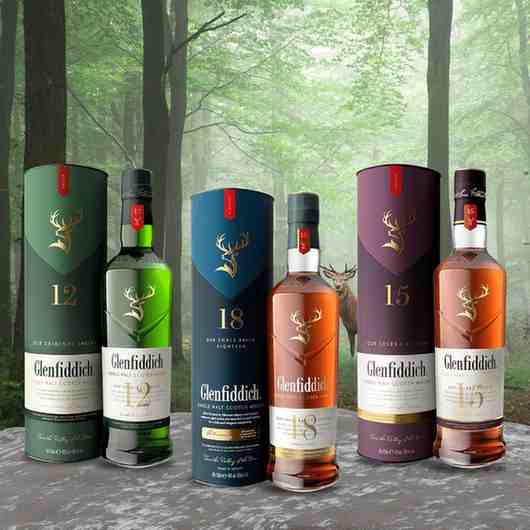
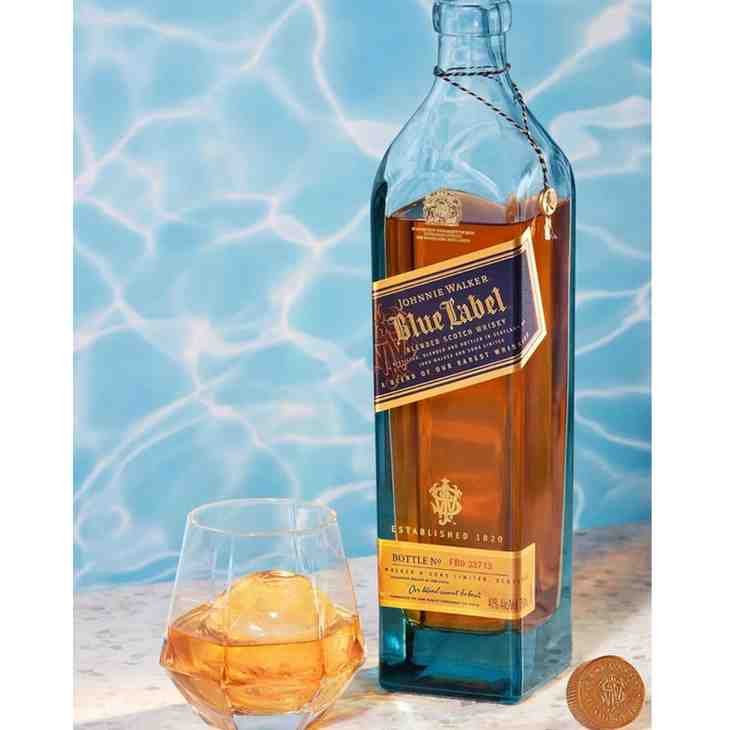
| Premium Whisky | 15,000 – 35,000+ | Glenfiddich, Chivas Regal |
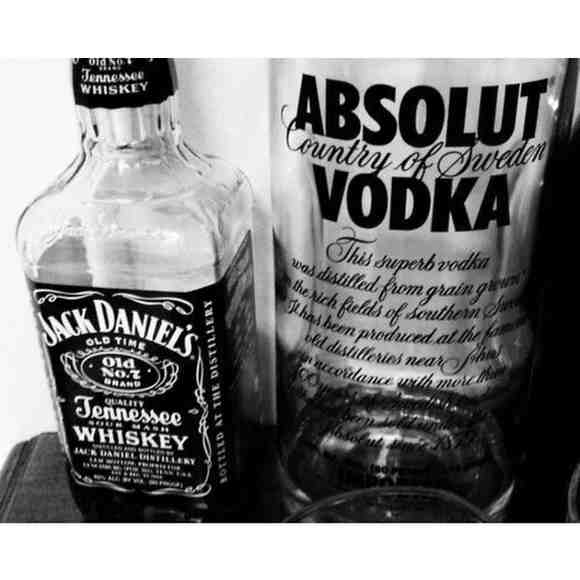
| Vodka | 2,000 – 8,000 | Absolut, Smirnoff |
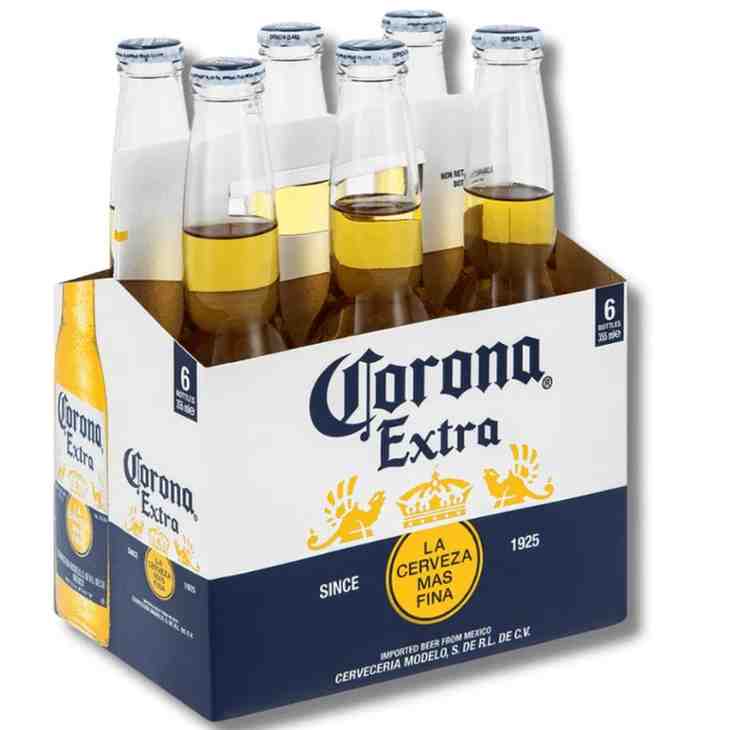
| Beer (650ml) | 300 – 800 | Tuborg, Carlsberg |
Prices may change slightly depending on where you buy. A bhatti in Kathmandu might charge more during peak hours, while wholesale stores in Lalitpur often offer better deals.
💰 Why Are Liquor Prices High in Nepal?
The biggest reason is tax. Alcohol in Nepal is heavily taxed compared to many other products. The government uses these taxes to control consumption and increase revenue.
Here are the main factors affecting price:
- Excise duty: This is the biggest cost added to alcohol. It increases every year, which directly raises retail prices.
- Import duty: Imported whisky and vodka become expensive because of high import taxes. That’s why brands like Glenfiddich or Chivas cost much more.
- VAT (Value Added Tax): This is added on top of everything, making the final price even higher.
Because of these combined taxes, a bottle that costs much less abroad can feel very expensive in Nepal.
📊 Price Trends in 2026
Liquor prices in Nepal are not stable. They change based on demand, supply, and policy changes.
Firstly, prices usually rise before big festivals like Dashain and Tihar. Shops in Kathmandu and Pokhara see higher demand, so rates go up slightly.
Meanwhile, imported brands have become more expensive due to stricter import rules and currency fluctuations.
On the other hand, local brands have stayed more stable, which is why many people still prefer them for regular drinking.
🏙️ Price Differences Across Cities
Liquor prices are not the same everywhere in Nepal.
In Kathmandu, prices are usually higher due to demand and convenience. Many people buy from local bhattis, where prices can vary.
In Lalitpur, you might find slightly better deals, especially from wholesale suppliers or bulk sellers.
In Pokhara, prices can go up during tourist seasons. Lakeside areas often charge more compared to inner city shops.
🎉 When Do Prices Increase the Most?
Certain times of the year affect liquor prices more than others.
- Dashain & Tihar: Demand is very high, so prices often increase. Many people buy premium whisky for gifting and family gatherings.
- Wedding Season: Alcohol is a big part of Nepali weddings, which pushes demand up.
- Tourist Season in Pokhara: More visitors means higher prices in popular areas.
Planning your purchase early can help you avoid paying extra during these peak times.
🛒 Where Should You Buy Liquor in Nepal?
Where you buy matters just as much as what you buy.
Local bhattis are convenient but may charge higher prices. Supermarkets offer fixed pricing, but options can be limited. Wholesale-focused stores like Tipsy Nepal often provide better value, especially if you are buying premium or in bulk.
⚖️ Is Liquor Getting Too Expensive in Nepal?
For many people, the answer is yes. Imported whisky prices have increased steadily over the years. However, there are still options for every budget.
Therefore, it’s important to choose based on your needs. If you are buying for daily use, mid-range or local brands make more sense. For special occasions like Dashain or weddings, spending more on premium bottles can feel worth it.
🏁 Final Thoughts
Liquor prices in Nepal in 2026 are shaped mainly by taxes, demand, and import costs. While premium brands continue to get expensive, there are still good options available for every budget.
Overall, understanding price trends helps you make smarter buying decisions. Whether you are shopping in Kathmandu, Lalitpur, or Pokhara, knowing when and where to buy can save you money.